

Who Is a Security Guard?
A security guard is the foundation of any private security company in the Kingdom of Saudi Arabia. He represents the company’s image and plays a vital role in ensuring safety and protection within any facility.
The guard is responsible for safeguarding all individuals within the premises and creating a sense of security and reassurance.
Due to the critical nature of this role, top security companies invest heavily in recruiting qualified personnel who meet professional and physical standards.
Key Responsibilities of a Security Guard
Security guards have two primary responsibilities:
Protecting Individuals and Property
Prevent theft, break-ins, and sabotage
Secure the facility’s physical and moral assets
Ensure the safety of employees and visitors
Preserving Facility Safety
Monitor and safeguard equipment, tools, and all property contents during duty hours
Scope of Security Coverage
1. External Security
Guarding the facility’s outer perimeter
Monitoring gates, fences, parking areas, and building surroundings
2. Internal Security
Securing internal units such as:
Corridors, offices, meeting rooms
Storage areas, warehouses
Ensuring the safety of workers and visitors from internal hazards
Direct Operational Responsibilities
Securing the facility against security breaches
Managing on-site operations and movement
Issuing vehicle and visitor entry permits
Monitoring the behavior of employees, contractors, and guests
Reporting any suspicious activity
Response to Incidents and Violations
In the event of an incident or breach, the security guard must:
Interrogate suspects and report them to authorities if needed
Submit any lost items found to supervisors without tampering
Accurately report all relevant information to supervisors
In Emergency or Fire Situations
The guard is responsible for:
Prompt evacuation of individuals to a safe area
Activating the alarm system
Notifying emergency services
Cutting off electricity and gas supplies
Using available firefighting tools
Activating the sprinkler system
Maintaining order, preventing crowding, and securing entry points
Appearance and Professional Conduct
Wearing the official uniform and carrying an ID badge
Maintaining a clean, presentable appearance
Demonstrating polite and respectful behavior with the public, supervisors, and colleagues
Following company policies and national regulations
Maintaining cleanliness of the facility
Conducting regular checks on electrical, water, and drainage systems
Monitoring entrances, exits, and all sections of the site
Adhering to punctual attendance and break schedules
Staying within designated work zones
End-of-Shift Duties
Before leaving the premises, the guard must:
Ensure all doors and access points are locked
Shut down electricity and gas systems
Remove or report any flammable or hazardous materials
Submit an official security report to management
Behavioral Guidelines and Security Ethics
No eating, drinking, or smoking during duty hours
Maintain full focus on assigned tasks
Absolute confidentiality regarding duties and client information
Professionally manage interactions with employees, visitors, and clients
Deny access to any unauthorized individuals
Be ready to work extra hours when needed
Be available to work in any location and on a 24/7 basis
Security Tools Used by Guards
Security guards may use a range of equipment to ensure protection, such as:
Licensed defensive weapons (as permitted)
Bulletproof gates and secure barriers
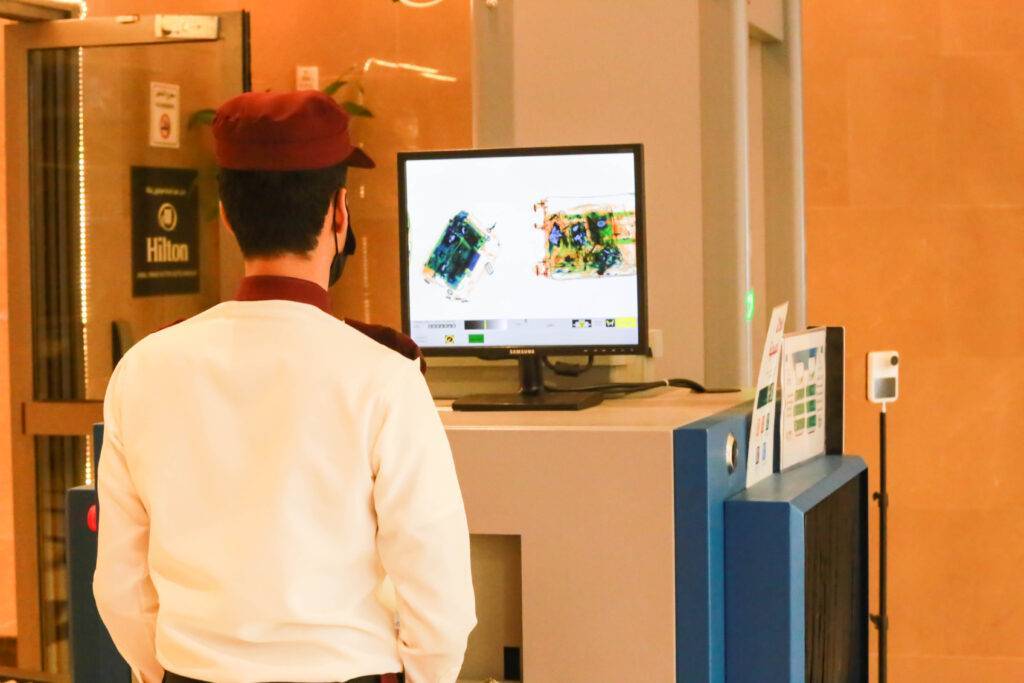
Surveillance cameras and alarm systems
Security patrol vehicles and trained guard dogs
Conclusion
By fulfilling his duties with professionalism, a security guard acts as the first line of defense in protecting clients, employees, and property. With the proper training, equipment, and operational protocols, guards help create a secure and trustworthy environment—critical to any organization’s success.